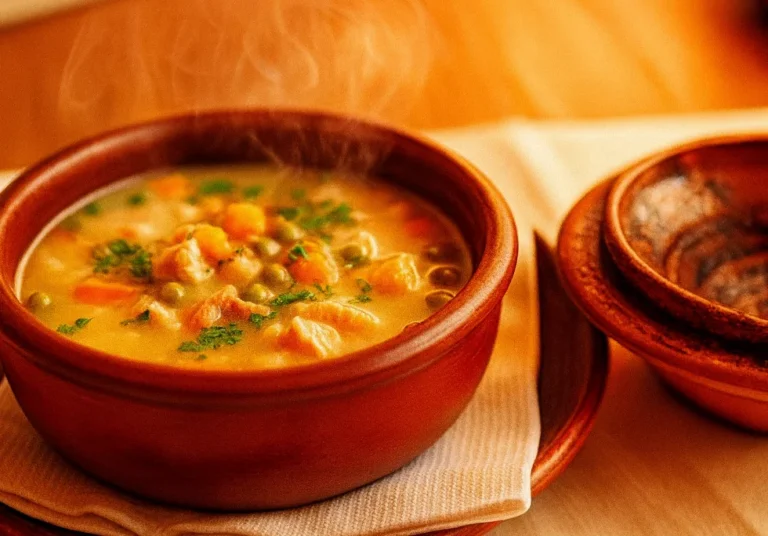
Bosnian Grah Recipe – White Bean and Beef Stew
Bosnian grah is a hearty white bean stew with a spoonable, lightly thickened broth. This version combines dried beans, tender beef shoulder, onion, carrots, garlic, and bay, then finishes with a small sweet-paprika roux. The beans should be creamy inside while most still hold their shape.
The recipe starts the night before with refrigerated soaking, followed by a full thirty-minute boil in fresh water before the gentle simmer. That first boiling stage is an important part of preparing dried beans safely. Later, patient cooking and a carefully handled roux create the texture; extra flour cannot compensate for beans that are still hard.
Plan for twelve hours of soaking and roughly three hours of preparation and cooking, plus a five-minute final rest. Bean variety, age, and storage can extend that estimate. Both measurement systems are included below, with Metric preserving the reference formula. This is a fresh-beef version, with other household variations explained separately.
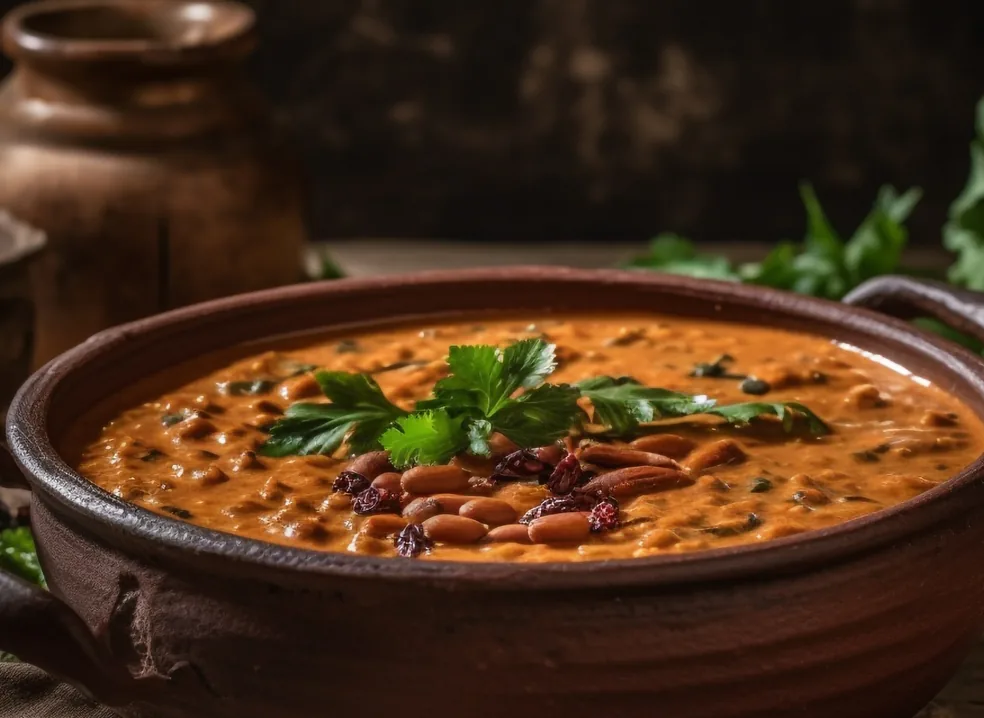
Bosnian Grah
Ingredients
- 14 oz dried white beans Great Northern beans are a practical US choice; not canned
- 10 1/2 cups cold water for soaking only; discard afterward
- 10 1/2 oz beef shoulder boneless; chuck shoulder is a practical US cut
- 6 3/4 cups hot water fresh main cooking water
- 1 1/4 cups extra hot water up to this amount, as needed
- 7 oz onion diced
- 7 oz carrots peeled and sliced
- 2 cloves garlic about 5 g each; minced
- 2 bay leaves
- 2 tsp fine salt US volume approximate; weigh for reference formula
- 1 tsp ground black pepper
- 3 1/4 tsp sunflower oil for the main pot
- 4 1/2 tsp sunflower oil for the roux
- 2 1/2 tbsp all-purpose flour US volume approximate; German Type 405 in source
- 1 1/2 tbsp sweet paprika not hot or smoked paprika; US volume approximate
Equipment
- Kitchen scale For beans, beef, flour, and salt.
- Large bowl and colander At least 3-liter bowl with room for expansion.
- Heavy pot with lid At least 6 liters for the base batch; allow headroom for boiling.
- Knife and cutting boards Keep raw meat preparation separate.
- Small pan and whisk For the paprika roux.
- Wooden spoon and ladle Sweep the bottom after thickening.
- Food thermometer Check beef and reheated leftovers.
Method
- Sort, rinse, and soak. Sort dried white beans, discard debris, and rinse. Cover with the soaking water in a large bowl and refrigerate 12 hours at 40°F (4°C) or colder, leaving room for expansion.
- Drain and prepare. Discard soaking water; rinse and drain beans. Cut beef shoulder into 1 1/4-inch (3 cm) cubes. Dice onion to 1/4 inch (5 mm), slice carrots 3/8 inch (1 cm), and mince garlic. Keep beef cold; clean hands, utensils, and surfaces after raw-meat contact.
- Brown the beef. Heat the main-pot oil in a heavy pot of at least 6 liters. Brown beef in uncrowded batches over medium-high heat, about 6–8 minutes total. Add pots or batches when scaling.
- Soften the vegetables. Add onion and carrots and cook over medium heat about 5 minutes. Stir in garlic for 30 seconds without scorching.
- Add beans and water. Add drained beans, bay leaves, and fresh main cooking water. Allow generous boiling headroom. Reserve extra water for later adjustments.
- Boil for 30 minutes. Bring uncovered to a full boil, then maintain a definite boil for at least 30 minutes, timing from when boiling begins. Skim foam as needed. Keep beans surrounded by liquid, adding hot water as necessary. Do not replace this stage with gentle warming or a slow cooker, and do not taste beans during this stage.
- Simmer until nearly tender. Reduce heat, partially cover, and simmer another 60 minutes. Stir carefully occasionally and check liquid. After the boil and simmer, check several beans. If centers are still firm or chalky, cook another 30–60 minutes or longer as needed. Do not start the roux until beans are nearly fully tender.
- Make a light roux. Heat the separate roux oil in a small pan. Stir in flour over low to medium heat for 2–3 minutes until lightly golden, not dark.
- Add paprika off the heat. Remove the pan from the burner. Stir sweet paprika into the warm roux for only a few seconds. Do not let it darken or burn.
- Loosen the roux. Whisk in about 1 cup (250 ml) hot liquid taken from the bean pot per base batch, gradually, until smooth. This is borrowed liquid, not additional water.
- Thicken and season. Stir the smooth roux into the stew. Add salt and black pepper. Simmer gently uncovered another 15 minutes, sweeping the bottom regularly to prevent sticking. Add reserved hot water in small amounts if needed.
- Check beans and beef. Beans must be fully soft and creamy inside, with most retaining their shape. Beef should separate easily with a fork. This long-braised version uses a conservative center check of at least 160°F (71°C), but tenderness may take longer. The broth should coat a spoon but remain ladleable. Continue cooking if needed.
- Rest and serve. Remove bay leaves, take the pot off heat, and rest 5 minutes. Stir, check seasoning, and serve one sixth of the batch per person. Bread is additional.
- Cool and store promptly. Divide into shallow containers and refrigerate within 2 hours, or 1 hour above 90°F (32°C). Store at 40°F (4°C) or colder for 2–3 days. Freeze promptly chilled portions for longer storage. Thaw in the refrigerator and reheat throughout to 165°F (74°C), adding water as needed.
Notes
- Formula: Metric preserves source quantities; US measures are rounded. Soaking water is discarded. Roux-thinning liquid comes from the pot.
- Bean safety: Overnight refrigerated soaking and a real 30-minute boil in fresh water precede simmering. Do not cook raw dried beans only in a slow cooker. Kidney beans, including white kidney/cannellini, need particular care. Follow stricter package instructions.
- Timing: Cook time allows for browning, heating, boiling, simmering, and finishing. Bean age and variety may need longer. Custom time includes 12 hours soaking and 5 minutes final rest.
- Scaling: Add pot capacity or separate pots. Check each separately. Cooking time does not automatically multiply.
- Version: Fresh beef shoulder is the calculated version. Smoked beef, sausage, and meatless grah need separate salt, timing, and nutrition adjustments.
- Texture: Add roux only when beans are nearly soft. Stir across the bottom after thickening. Stew thickens further as it rests.
- Nutrition: Rough per-serving estimate for one sixth of the batch from generic white beans, beef shoulder, vegetables, flour, oil, paprika, and salt. Brands, fat trimming, and discarded soaking water affect values. Not laboratory measured; bread excluded.
Grah in Bosnian Home Cooking
Grah belongs to the everyday family of dishes eaten na kašiku—with a spoon. It is substantial enough to be a full meal rather than a small starter soup. White beans, aromatics, paprika, and a broth with some body are common features, but households differ in meat, seasoning, and thickening.
Some pots contain smoked beef, ribs, or sudžuk; others are meatless. This version uses fresh boneless beef shoulder, which becomes tender during the long simmer and flavors the broth. The wider Balkan family also includes pasulj. Prebranac and North Macedonian tavče gravče are related bean dishes finished in the oven, with a more concentrated consistency; they are not simply alternate names for this stovetop stew.
Choose Dried White Beans and a Braising Cut
Use one bean variety from a reasonably fresh package
Dried white beans give this recipe its cooking rhythm and broth. Great Northern beans are a practical US choice; other white beans vary in size and cooking time. Cannellini are white kidney beans and need the same care with thorough initial boiling as other kidney beans. Do not assume white color makes an undercooked bean harmless.
Sort out stones, broken debris, and damaged beans before rinsing. Try not to combine old and new packages: beans of different ages may soften unevenly. Canned beans are already cooked and cannot replace the dried weight and long simmer directly without changing the beef timing and water requirement.
Why beef shoulder suits the long simmer
Ask for boneless beef shoulder or a chuck shoulder cut and trim tough exterior pieces as needed. Cut it into similar cubes, about 1¼ inches (3 cm), so the pieces soften at a similar pace. The connective tissue needs braising time; a lean quick-cooking steak is not an equivalent substitute for this method.
The recipe uses a modest amount of beef in relation to beans. Smoked meat is a separate variation, not an extra ingredient required to make the fresh-beef card work. Broth cubes and highly salted stock also change the seasoning, so the main liquid here is plain water.
Soak Cold, Drain, Then Boil Properly
The overnight stage hydrates the beans
Cover the beans with the measured soaking water in a large bowl and refrigerate for twelve hours. Leave room for the beans to swell. A cold soak gives them time to hydrate before cooking; it does not make them ready to eat. Discard all soaking water, rinse, and start the pot with fresh water.
The listed soaking water and cooking water serve different jobs. Counting the discarded soaking water as part of the final stew liquid would make the recipe unnecessarily confusing. Likewise, the small amount of broth used to loosen the roux later comes from the pot and is not another ingredient to add.
A real boil comes before the slow simmer
Raw or undercooked beans can contain the lectin phytohaemagglutinin. FDA guidance on natural toxins calls for soaking at least five hours and boiling in fresh water for at least thirty minutes. This recipe uses the longer overnight soak and retains the full thirty-minute boil.
Start that timer when the pot is actually boiling, not when you turn on the burner. Keep enough liquid around the beans, skim foam if needed, and allow headroom so the pot does not overflow. A few tiny bubbles during warming do not replace this stage. Do not taste partly cooked beans during the initial boil, and do not put raw dried beans directly into a slow cooker for this recipe.
This is a stovetop method. It does not provide a tested pressure-cooker conversion or a special high-altitude schedule. Follow stricter instructions on the bean package and allow extra time where local cooking conditions require it.
Brown the Beef and Soften the Aromatics
Pat the beef dry and brown it in uncrowded batches in the main-pot oil. Crowding lowers the pan temperature and encourages liquid to collect instead of developing a browned surface. Browning builds flavor; it does not finish cooking the meat.
Add the onion and carrots and let them soften briefly over medium heat. Stir in the garlic only for the last thirty seconds so it does not scorch. Then add beans, bay, and fresh hot water. Keep raw-meat tools away from cooked food and wash hands, boards, and utensils after preparation.
Simmer Until the Bean Centers Are Creamy
After the full boil, reduce to a gentle simmer and partially cover the pot. This quieter stage softens beans and beef while limiting breakage. Stir carefully from time to time and keep the beans surrounded by liquid. Add reserved hot water in small amounts rather than repeatedly filling the pot to the brim.
After the initial thirty-minute boil and a further hour of simmering, check several beans from different places. Their centers should be nearly tender before you make the roux. Old beans can need substantially longer than the displayed time. A soft skin around a firm, chalky center is not the endpoint.
Do not add tomato, vinegar, or another acidic ingredient to fix a bland pot while the beans are still hard; those additions change this formula and can complicate softening. The card seasons near the finish. Salt is controlled by the measured formula rather than treated as a universal cause of hard beans.
Make a Light Paprika Roux Without Bitterness
Cook the flour gently
Heat the separate roux oil in a small pan, stir in flour, and cook until lightly golden. The purpose is a modest thickening and cooked flour flavor, not a dark roux. Measure the flour: an extra generous spoonful can turn a spoonable stew into a heavy paste.
Take the pan off the heat before adding paprika
Sweet paprika burns quickly in hot fat. Remove the pan from the burner, stir it in for a few seconds, and then gradually whisk in hot liquid borrowed from the bean pot. Adding liquid little by little helps keep the roux smooth. A blackened, bitter roux should be remade; stirring it into the whole stew spreads the problem.
Return the smooth mixture to the pot only when the beans are almost fully soft. Simmer uncovered for another fifteen minutes so the flour cooks through and the broth develops body. Sweep the spoon across the bottom regularly because a thickened stew can catch more readily.
Recognize the Finished Consistency
The broth should lightly coat a spoon and flow around mostly intact beans. It should remain easy to ladle, with beef that parts readily under a fork. This long-braised recipe uses a conservative meat-center check of at least 160°F (71°C), but the meat can need more time for tenderness after reaching that temperature.
The five-minute final rest lets the texture settle. Grah thickens further as it cools because the beans and starch continue to affect the liquid. Judge it warm before adding more thickener. A small addition of hot water usually makes more sense than extra flour if the stew has become too dense.
Troubleshooting Bosnian Grah
Beans stay hard or cook unevenly
Check bean age, whether the soak was completed, and whether there was enough cooking liquid. Continue gentle cooking before adding roux if they are still firm. Do not use a thickened broth to hide undercooked beans. Packages from different ages or varieties may never finish at exactly the same moment.
The stew is watery or too thick
Watery grah may need more uncovered finishing time once the beans are fully soft. Use the measured roux rather than repeatedly adding dry flour. If too thick, loosen with small additions of hot water, stirring well and checking again after a brief simmer. Some households mash a small portion of beans for body, but the card uses its specified flour-and-paprika roux.
Paprika tastes bitter or the bottom scorches
Keep paprika off direct burner heat when making the roux. After adding it to the stew, lower excessive heat and reach the whole base with the spoon. If the bottom burns, avoid scraping the scorched layer into the rest. Transfer unburned stew carefully to a clean pot; this cannot guarantee removal of a flavor already mixed through.
The seasoning becomes too salty
Fresh beef and plain water make the main salt quantity easier to control. Smoked beef, sausage, and stock can add substantial salt, so they should not be dropped into the formula without adjustment. Dilution changes concentration but cannot take salt out of beans that have absorbed it.
Variations, Serving, and Leftovers
Smoked-beef grah and sudžuk versions belong to the same broad household tradition, but cured products vary in salt, fat, and cooking requirements. A meatless pot is also possible, with aromatics and careful seasoning providing the base. Those are separate adaptations; their nutrition and exact timing are not represented by this fresh-beef card.
Serve one sixth of the finished batch as a main portion, with bread, somun, or pogača alongside. Pickled vegetables, cabbage salad, or a simple green salad balance the substantial stew.
Divide leftovers into shallow containers and refrigerate within two hours, or one hour above 90°F (32°C). Keep at 40°F (4°C) or colder and use within two to three days. Freeze promptly chilled portions airtight for longer storage. Thaw in the refrigerator, loosen with a little water if needed, and reheat throughout to 165°F (74°C). Do not leave a large pot cooling on the counter until completely cold.
Grah FAQ
Can I skip soaking?
Not within this recipe. Its quantities and preparation use refrigerated overnight soaking, draining, and a thirty-minute boil in fresh water. A no-soak method needs its own assessment and timing.
Can I replace the white beans with canned beans?
Canned beans are already cooked. They need a different addition time and liquid allowance while the beef braises; this card is not a direct canned-bean conversion.
Does scaling change how long the beans cook?
Individual beans still need to reach the same tenderness. More food takes longer to heat, and a crowded pot can boil over. Add pot capacity or separate pots and check each one rather than multiplying every time by two or three.