Kupus Salata Recipe – Fresh Balkan Cabbage Salad
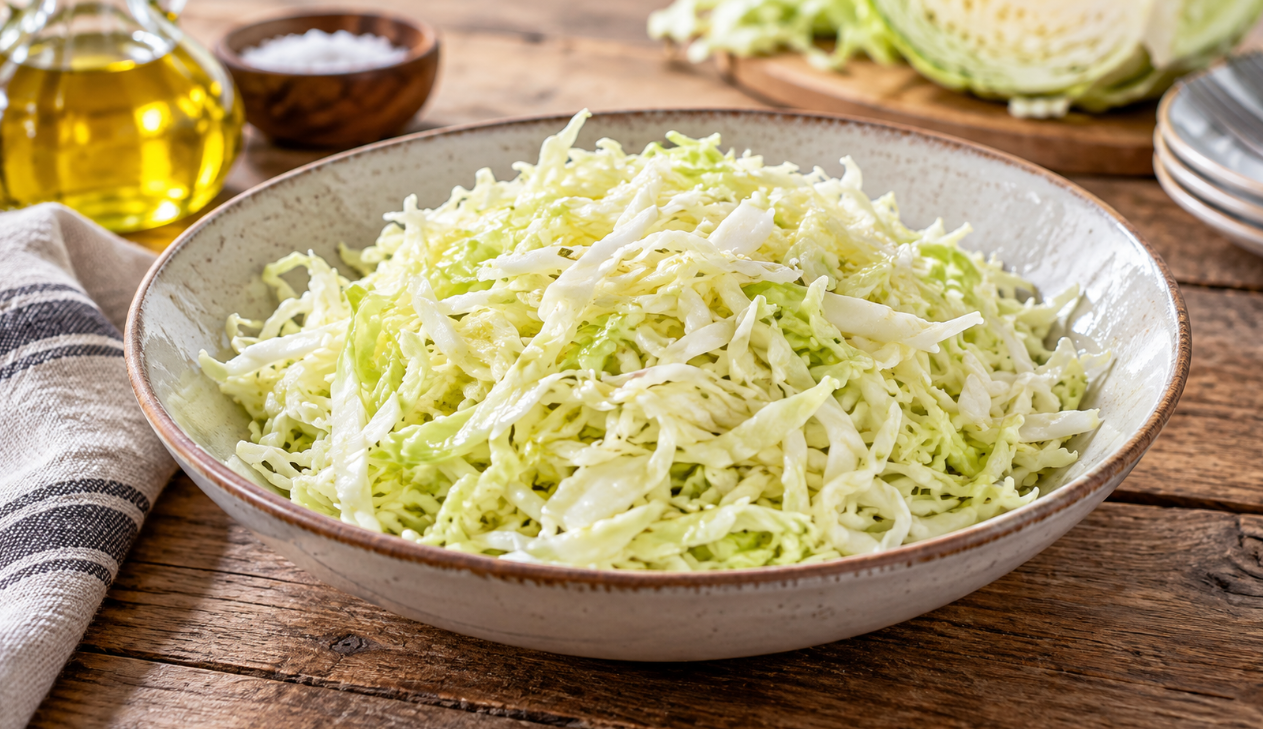
Kupus salata is a fresh Balkan cabbage salad dressed with vinegar and oil. The cabbage is sliced very thin, briefly salted, and gently massaged so it becomes a little softer while keeping a pleasant crunch. This kupus salata recipe uses just fresh cabbage, fine salt, distilled white vinegar, and sunflower oil.
The short salt rest matters more than a complicated dressing. After five minutes, drain only the excess juice that has collected, then toss with the vinegar and oil. There is no mayonnaise, sour cream, or creamy dressing, and the cabbage is fresh rather than fermented or pickled.
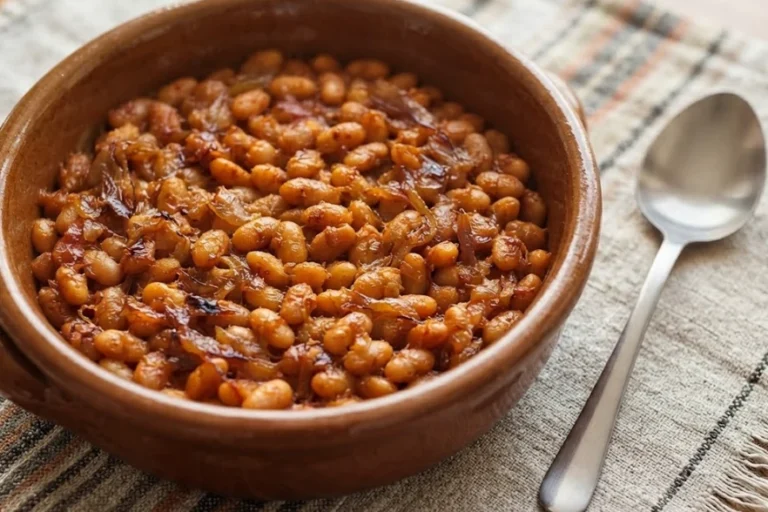
Serve it beside pljeskavica or Bosnian ćevapi, or offer it with a portion of prebranac for a fresh contrast to baked beans. The base recipe makes four side portions in about fifteen minutes, including the brief rest.
Kupus Salata – Fresh Balkan Cabbage Salad
Ingredients
- 17 1/2 oz green cabbage Fresh round white/green cabbage; weight after removing the core and damaged leaves.
- 1 tsp fine table salt Not an equal volume of coarse kosher salt; see salt note.
- 2 tbsp distilled white vinegar Standard 5% acidity.
- 3 tbsp sunflower oil
Equipment
- Chef’s knife Or a mandoline with its hand guard.
- Cutting board
- Kitchen scale For the trimmed cabbage and fine salt.
- Large mixing bowl
- Colander Or carefully tilt the bowl to pour off released liquid.
Method
- Prepare the cabbage. Remove damaged outer leaves, rinse the cabbage under running water, and dry it. Cut away the hard core, then weigh the trimmed amount listed in the ingredients. Use a clean board and knife.
- Slice thinly. Slice the cabbage into very fine, even shreds, about 1–2 mm thick. If using a mandoline, use its hand guard and keep your fingers away from the blade. Place the shreds in the mixing bowl.
- Salt and soften. Sprinkle the measured fine salt over the cabbage. Toss and gently massage with clean hands for about 30–60 seconds, just until the shreds start to relax. Leave for 5 minutes; they should soften slightly while retaining some crunch.
- Drain the released liquid. Pour off only the excess liquid that has collected in the bowl, or let it drain briefly in a colander. Do not rinse and do not squeeze the cabbage completely dry.
- Dress and serve. Add the measured vinegar and sunflower oil and toss thoroughly. Serve promptly, or cover and refrigerate until needed. Keep the short salt rest the same when scaling; a larger amount may take longer to slice and mix.
Notes
Choose fresh round cabbage
Look for a firm head of ordinary round green cabbage, often called white cabbage in Balkan recipes. Remove damaged outer leaves and the hard core, then weigh the edible portion. A whole-head weight includes material that will be discarded and does not give the same salad quantity.
Rinse the cabbage under plain running water before cutting and dry it well. Use a clean knife and board, especially if you are also preparing raw meat for the meal. Sauerkraut and jarred pickled cabbage have already changed in flavor, salt content, and texture and are not ingredients for this fresh salad.
Thin shreds soften evenly
Cut into fine, even shreds about 1–2 mm thick. Thin slicing makes the leaves easier to toss and softens their bite during the short rest. Thick strips can stay stiff even when the smaller pieces have already relaxed. A sharp knife works well; use a hand guard if choosing a mandoline.
Massage the salted shreds gently for roughly thirty to sixty seconds. Stop once they begin to relax rather than crushing them into a limp mass. Leave for five minutes, then tip away the liquid that has collected. Do not rinse after salting, and do not squeeze out every drop of moisture.
Measure fine salt and use plain vinegar
The measured salt is fine table salt: one teaspoon is approximately 6 g, based on a label stating 1.5 g per quarter teaspoon. Kosher salt crystals occupy a different volume, and brands differ. A teaspoon-for-teaspoon swap can change the amount of salt substantially; weighing is the more reliable comparison.
Use standard 5% distilled white vinegar and sunflower oil. Stronger cleaning vinegar is unsuitable, and a more concentrated culinary vinegar would change the balance. The dressing is deliberately simple; no sugar or creamy ingredient is needed for this version.
Keep the short rest when making more
The original formula is available under Metric. The US cabbage weight and tablespoon volumes are rounded practical equivalents. Weighing the trimmed cabbage gives a closer match than estimating a fraction of a head, since heads vary considerably in size.
Doubling makes eight side portions and tripling makes twelve. Use a larger bowl and multiply the ingredients, while keeping the salt rest at about five minutes. More cabbage can take longer to cut and mix; it does not require a fifteen-minute salt rest simply because the recipe is tripled.
Serve fresh and keep leftovers cold
Toss thoroughly so the oil and vinegar reach all the shreds. Serve promptly for the clearest contrast between crisp cabbage and the light dressing. The crisp cabbage also pairs well with kvrguša, a Bosnian chicken and batter bake. Plan the grilled meat and other sides with our Balkan cookout guide. If preparing it before the rest of the meal, cover and refrigerate rather than leaving it beside a warm stove.
Keep the salad at 40°F (4°C) or below. Refrigerate within two hours, or within one hour if the temperature is above 90°F (32°C). It is best the same day; use properly refrigerated leftovers within two days. Toss again before serving and pour off a little newly released liquid if necessary. The vinegar does not turn it into a preserved or fermented food.
What the nutrition estimate includes
The estimate assumes the full oil-and-vinegar dressing is eaten and uses checked reference values for raw cabbage, sunflower oil, and distilled vinegar. The salt rest releases some juice, so small nutrient losses during draining remain uncertain. Sodium is omitted because the amount of salt carried away in that liquid was not measured; omission does not mean the salad is sodium-free.
Kupus salata questions
Is this the same as American coleslaw?
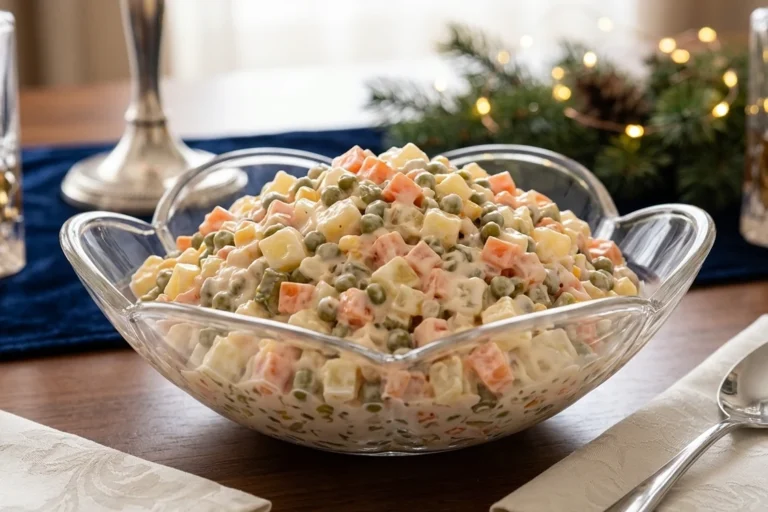
It belongs to the broad family of shredded cabbage salads, but this particular version has a light vinegar-and-oil dressing. It does not have the mayonnaise-based dressing associated with creamy American coleslaw. For a different cold side, Francuska salata combines cooked potatoes, carrots, peas, pickles, and eggs in a creamy dressing, without meat.
Can I make it the night before?
You can refrigerate the finished salad, but it becomes softer and releases more liquid as it stands. For the crispest result, dress it close to serving. If cutting the cabbage ahead, keep it covered and refrigerated and do the salt rest and dressing later.
Why is the salad watery?
Salt draws some liquid from the cut cabbage, and more may collect during storage. Drain the released excess after the short rest before adding the dressing. Do not compensate with extra salt, and avoid squeezing so hard that the leaves lose their fresh texture.