Hurmašice Recipe – Bosnian Syrup-Soaked Cookies
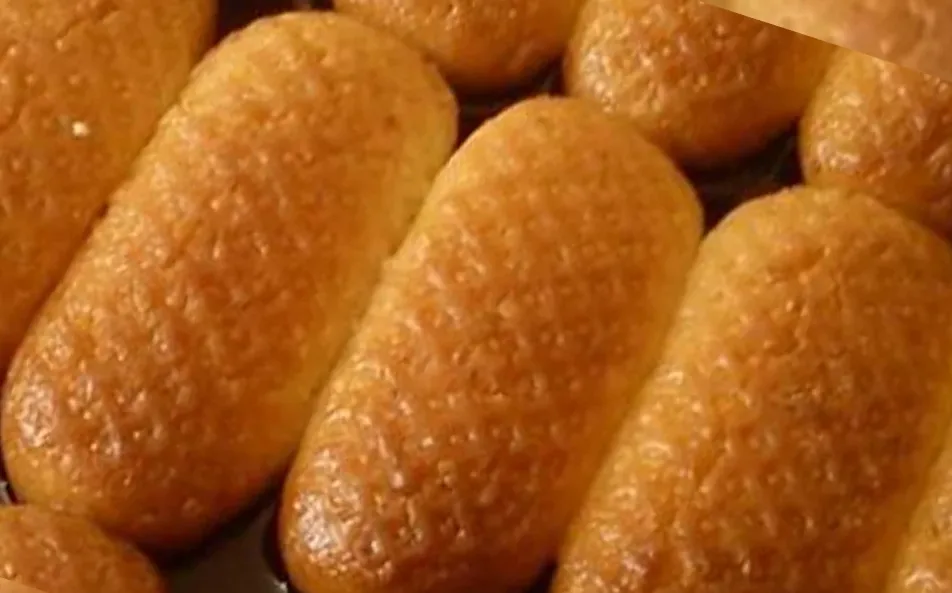
Hurmašice are Bosnian syrup-soaked cookies made from a soft butter dough, shaped into small ovals, and marked with the coarse face of a kitchen grater. They bake until golden before absorbing lemon agda, a light sugar syrup that makes the interior tender and moist. You may also see the name written as hurmasice without the accent marks.
This version uses butter, a whole egg, an extra yolk, and plain yogurt, with no walnut filling and no honey. Despite the occasional description as honey cookies, the sweetness comes from sugar in the dough and syrup. Gentle mixing, a plump shape, and enough soaking time matter more than working the dough until it feels firm.
Make the agda first and let it cool completely: for this specific formula, cooled syrup goes over the hot cookies after baking. Allow at least four hours for absorption, with an overnight rest useful for a more even texture. Weighing the flour and butter is especially helpful; the exact Metric formula is available alongside the US measures.
Hurmašice
Ingredients
- 3 3/4 cups water US volume is rounded; Metric gives the exact amount
- 3 cups granulated sugar
- 4 teaspoons fresh lemon juice
- 3 thin lemon slices from a well-washed, unwaxed lemon; remove after cooling
- 8.8 oz unsalted butter softened, not melted
- 2.1 oz granulated sugar
- 1 large egg about 50 g each without shells; room temperature
- 1 large egg yolk about 17–18 g each; room temperature
- 1.75 oz plain whole-milk yogurt regular unstrained yogurt, about 3.5% fat; room temperature
- 17.6 oz all-purpose flour preferably a lower-protein brand; see flour note
- 2 1/2 teaspoons baking powder US volume assumes 4.8 g per teaspoon; check the label or weigh
- 1/3 teaspoon fine salt US volume is approximate; weighing is more precise
Equipment
- Kitchen scale recommended; ounces are weights, not fluid ounces
- Measuring jug and spoons
- Medium saucepan
- Heatproof bowl for cooling the syrup, with an optional cold-water bath
- Large mixing bowl and hand mixer
- Spatula
- Coarse kitchen grater clean and dry; used to imprint the dough, not grate it
- Deep metal baking pan about 15 × 11 inches (38 × 28 cm); must hold the syrup; avoid thermal-shock-prone glass or ceramic
- Ladle or large spoon
Method
- Dissolve the syrup sugar. Combine the syrup water and sugar in a medium saucepan. Heat while stirring until the sugar has dissolved completely.
- Simmer the light agda. Bring to a boil, then simmer gently over medium heat for 5 minutes. Add the lemon juice and slices and simmer for 3 more minutes. Keep the syrup pourable; do not reduce it to a thick consistency.
- Cool completely. Pour the agda into a heatproof bowl and let it cool completely to room temperature. A cold-water bath around the bowl can help it cool sooner. Keep bath water out of the syrup and remove the lemon slices after cooling.
- Prepare the oven and pan. Heat a conventional oven to 355°F (180°C), with a rack in the middle. Set out a deep metal pan about 15 × 11 inches (38 × 28 cm). No greasing is needed for this butter-rich dough. The pan must be deep enough to hold the syrup.
- Cream butter and sugar. Beat the soft butter and dough sugar with a hand mixer for 3–4 minutes, until creamy. The butter should be pliable, not melted.
- Add the egg, yolk, and yogurt. Beat in the whole egg completely, then beat in the yolk. Briefly mix in the plain yogurt until combined.
- Combine the dry ingredients. In a separate bowl, mix the flour, baking powder, and salt thoroughly so the leavener is evenly distributed.
- Make a soft dough. Add the dry mixture to the butter mixture in portions, using low mixer speed at first. Finish briefly with your hands only until the dough is smooth and combined. Do not knead it like bread or keep working it after it comes together.
- Rest for 10 minutes. Let the dough rest for 10 minutes. It should be soft, shapeable, and barely sticky rather than dry or stiff. Do not add more flour just to make it feel firm.
- Portion evenly. Divide into equal portions of about 31 g each, making 30 cookies per standard batch. For larger batches, increase the number of pieces rather than their size.
- Shape and imprint. Roll each portion into a ball, then an oval about 2⅜ inches (6 cm) long. Gently press the top against the coarse face of a clean grater to make the pattern, lengthening it slightly without forcing dough through the holes. Keep the oval plump rather than flattening it into a thin disk.
- Arrange in the pan. Place the cookies pattern-side up in the deep metal pan, leaving about ¾ inch (2 cm) between them. Use additional comparable pans for larger batches.
- Bake until golden. Bake on the middle rack for about 25–30 minutes, until evenly golden brown without becoming dark or dry. Baking time depends on the pan and oven; retain the same cookie size when scaling.
- Pour cool syrup over hot cookies. Remove the pan from the oven and wait 2 minutes. Slowly pour the completely cooled agda between the still-hot cookies first, then over their tops. Use a metal pan to avoid the thermal-shock risk of glass or ceramic.
- Baste after 20 minutes. After about 20 minutes, spoon some syrup from the pan over any tops that are not fully moistened. Handle the cookies gently and do not press them down.
- Soak before serving. Let stand at room temperature for at least 4 hours, uncovered for the first hour. Cover loosely only after completely cool. An overnight rest gives more evenly soaked cookies; refrigerate after the soaking period. Serve with some of the pan syrup.
Notes
- Flour and US measurements. Metric preserves the source formula. The source uses German Type 405 flour; ordinary US all-purpose flour is an adaptation and brands differ in strength. Prefer a lower-protein all-purpose flour, avoid bread or self-rising flour, and weigh it. Ounces in this recipe are weights. The flour adaptation has not been kitchen-tested here.
- Baking powder. The US spoon amount assumes 4.8 g per teaspoon, as on the Clabber Girl label. Brands vary; weighing 12 g is more precise. Use baking powder, not baking soda.
- Portions and scaling. The base dough weighs about 940 g before baking and makes 30 portions of about 31 g. At 2x or 3x, keep the individual cookie size and spacing unchanged and use additional comparable pans. Divide dough and syrup evenly; do not multiply baking time.
- Timing. The 40-minute prep estimate includes the 10-minute dough rest; cook time allows for the syrup and 25–30-minute bake. Syrup cooling overlaps the preparation and baking. Allow at least 4 hours of soaking afterward, or overnight for a more even texture. Extra time may be needed if the syrup has not fully cooled.
- Temperature sequence. For this specific formula, completely cooled agda goes over hot cookies after a 2-minute pause out of the oven. Other recipes may use a different temperature sequence; keep this formula consistent.
- Storage. After the soaking period and once completely cool, cover and refrigerate with some of the pan syrup. The source suggests about 5 days; this is a household storage estimate, not a validated preservation limit. Temper portions for about 20 minutes before serving. Freezing unsoaked or lightly soaked cookies is mentioned in the source, but a precise freeze-and-resyrup method is not established for this formula.
- Nutrition estimate. About 214 kcal per cookie, calculated for 30 equal portions using all the starting butter, flour, dough and syrup sugar, whole egg, yolk, and yogurt. All syrup is counted even if some remains in the pan; trace citrus and label-rounded leavening calories are excluded. Ingredient brands, absorption, and portion size vary. This is a calculated estimate, not a laboratory analysis.
What are hurmašice?
Hurmašice are a familiar Bosnian dessert served with coffee, for guests, and at celebrations. Their recognizable shape is oval or slightly elongated, with an imprinted surface. They are baked rather than fried, then soaked in agda. The finished cookie should remain intact when lifted while yielding to a fork, with syrup distributed into the center instead of only coating the outside.
Recipes vary between households. Some include walnuts or use a different fat or syrup sequence. This recipe is the plain butter-and-yogurt version: do not add a nut filling or extra dry ingredients and assume that the proportions still behave the same way. A walnut variation would need its own quantities and instructions.
Ingredients and practical US choices
Soft butter, egg, yolk, and yogurt
Use ordinary unsalted butter softened enough to beat smoothly, not melted butter or clarified butter. Unlike baklava, these cookies do not use butter brushed between pastry sheets; the butter is creamed directly into the dough. The whole egg and additional yolk are separate ingredients and both are needed.
A US large whole egg is about 50 g without its shell and is a practical match for the source egg size. The additional yolk is roughly 17–18 g. Let the butter, egg, yolk, and yogurt lose their refrigerator chill so they combine more evenly, but do not leave perishable ingredients out unnecessarily. Beat in the whole egg fully before adding the yolk, then briefly mix in the yogurt.
Choose plain, regular, unstrained whole-milk yogurt, close to the source’s 3.5% fat. Greek yogurt has a different moisture balance, and sweetened or flavored yogurt changes the formula. The recipe does not establish an equal-volume substitution for those products. Use the small weighed quantity rather than rounding it up to a larger cup measure.
Flour and leavening
The source uses German Type 405 wheat flour. For US shopping, a lower-protein all-purpose flour is a practical adaptation, although brands differ and it is not an exact flour specification match. This adaptation has not been kitchen-tested here. Avoid bread flour and self-rising flour; the latter already contains leavening and salt. Weigh the specified amount rather than packing flour into a measuring cup.
Use baking powder, not baking soda. The US spoon conversion assumes a product weighing 4.8 g per teaspoon, as on the Clabber Girl label; other brands may differ. The exact amount is 12 g in the base formula. Salt spoon weights also vary, so the small Metric amount is the more precise guide.
Ounces in the ingredient list are weights, not fluid ounces. They keep the US system useful without awkward cup fractions for butter, yogurt, and the small quantity of dough sugar. A scale also makes dividing the dough into evenly sized pieces much easier.
Make a soft dough without overworking it
Cream first, then mix briefly
Beat the softened butter and dough sugar for three to four minutes until creamy. Add the whole egg, then the yolk, incorporating each before continuing, and briefly mix in the yogurt. Separately combine the flour, baking powder, and salt so that the small amount of leavener is distributed throughout the dough.
Add the dry mixture in portions on low speed, then finish only briefly with your hands. This is a tender cookie dough, not a bread dough to knead until elastic. Extended kneading after flour is added can make the baked texture firmer. Stop once the dough is smooth and holds together.
Rest before deciding it needs more flour
Give the dough its ten-minute rest before shaping. It should feel soft, cohesive, and barely sticky, with enough body to hold an oval. It should not be dry, crumbly, or stiff. Adding extra flour merely to make handling effortless can leave the finished cookies hard and less able to absorb syrup evenly.
If the dough is unusually sticky, check the weighed amounts and whether the butter was melted rather than softened before changing the formula. The source does not give a tested corrective flour quantity, so there is no fixed extra scoop to add. Conversely, a dry dough calls for checking the measurements and mixing, rather than continuing to knead it.
Portion, shape, and press the grater pattern
The base dough weighs about 940 g and makes 30 pieces of approximately 31 g before baking. These are dough weights, not promised finished cookie weights after soaking. Divide evenly, roll each portion into a ball, then form an oval about 6 cm, or 2⅜ inches, long.
Gently press the top against the coarse face of a clean, dry kitchen grater. The grater is an imprinting tool: do not push the dough through its holes. Release the oval carefully and place it pattern-side up. The surface pattern is characteristic and gives the syrup a textured surface to cling to.
Keep the cookies plump. Flattening them into thin disks makes them dry out more quickly, while making very large pieces changes the bake and the distance syrup must travel into the center. Fork marks appear in other preparations, but the recipe card uses the traditional coarse-grater method.
Leave about 2 cm, or ¾ inch, between pieces in a deep metal pan close to 38 × 28 cm, approximately 15 × 11 inches. The pan needs enough depth for the syrup; a shallow cookie sheet is unsuitable. The butter-rich dough does not require an extra layer of grease. At 2x or 3x, use additional comparable pans and keep the piece size and spacing unchanged.
Bake for a golden surface and tender interior
Bake on the middle rack of a conventional oven at 355°F (180°C) for about 25–30 minutes. The Fahrenheit setting is a practical rounding of 356°F. Look for evenly golden cookies, with a clearly baked surface that is not dark brown. Ovens and pans vary, so inspect the color rather than relying on the timer alone.
A very pale surface may indicate that the dough has not had enough time to bake, but taking it far past golden can make it dry and hard. Syrup is not a dependable way to fix overbaking. Keep portions even so that small cookies do not become dark while larger ones remain underbaked. Let the baked pan stand for two minutes before adding the syrup.
Agda for hurmašice: lighter syrup, short simmer
Dissolve, simmer, and cool
This agda uses 900 ml water and 600 g sugar in the base recipe. It is deliberately lighter than the syrup used for our walnut baklava. Dissolve the sugar fully as it heats, bring the mixture to a boil, and simmer gently for five minutes. Add the lemon juice and slices for another three minutes, then transfer to a heatproof bowl and let it cool completely.
The syrup should remain fluid enough to penetrate the cookies. Reducing it until thick can leave an intensely sweet exterior and a dry center. Lemon adds freshness and helps discourage sugar crystallization. Remove the slices after cooling. A cold-water bath around the heatproof bowl can shorten cooling, but bath water must not get into the agda.
Use the temperature sequence for this formula
The detailed source card specifies completely cooled agda over hot hurmašice. General descriptions elsewhere discuss warm syrup or different household methods; those are not instructions to switch temperatures in this recipe. Cook the syrup first and check that it has cooled before the cookies come out of the oven. If it is still warm, allow more cooling time rather than proceeding by the clock.
Use a metal pan for the hot pastry and cool syrup. The abrupt temperature difference can damage glass or ceramic bakeware. Pour slowly between the cookies first, then evenly over their tops. After about 20 minutes, gently spoon some syrup from the pan over any tops that are not fully moistened. Do not squeeze or press the cookies down.
Give the cookies time to absorb the syrup
Allow at least four hours of soaking. Leave the pan uncovered for the first hour and cover loosely only after it has cooled completely. The cookies may look unevenly soaked just after pouring; time allows the liquid to move into their centers. Avoid repeatedly handling them while they soften.
Overnight soaking gives a more evenly moist texture and makes this a useful dessert to prepare ahead. After the initial soaking period, keep the covered pan refrigerated. Serve the cookies with some of their existing pan syrup instead of automatically making and adding more.
Troubleshooting hurmašice
Hard cookies or a dry center
Review the flour amount, how long the dough was worked, the baking color, and the syrup consistency. Too much flour, extended mixing, overbaking, and over-reduced agda can all work against tenderness. Also allow the full soaking period before judging the center. Adding more syrup immediately can make the outside wetter without correcting a firm interior.
A pattern that disappears or cookies that become too thin
Imprint a soft but shapeable oval gently and keep it plump. A shallow mark may become less defined as the dough bakes, but pressing harder until the piece becomes a thin disk is not the solution. Check that the butter was softened rather than melted and that the measured dough has rested. Do not use the grater to shred or perforate the pastry.
Crystallized syrup or uneven soaking
Dissolve the sugar before the simmer and avoid an aggressive, prolonged boil. Keep the lemon and the short simmer specified in the formula. Pour around the pieces as well as over the tops, then use the one gentle basting after about 20 minutes. A pan too shallow to retain syrup or pieces made much larger than specified can leave the absorption uneven.
Serving, refrigeration, and freezing
Serve at room temperature with unsweetened Bosnian coffee, black coffee, tea, or water. The sweetness is already in the soaked cookie, so the drink need not be sweetened. Baklava, tulumbe, kadaif, and tufahije can form a varied dessert selection, although their doughs and soaking methods are distinct.
After soaking and complete cooling, refrigerate covered with some syrup to keep the cookies from drying. The source suggests approximately five days; treat this as household storage guidance, not a validated preservation limit. Bring only the portions you plan to serve out for about 20 minutes so the butter-rich texture softens.
The source mentions freezing unsoaked or only lightly soaked cookies and adding syrup after thawing. It does not establish a precise freezing duration or a tested syrup amount and temperature for that separate workflow. For this complete recipe, preparing a day ahead and refrigerating after soaking is the clearer method. Do not repeatedly add unspecified quantities of syrup to already soaked cookies.