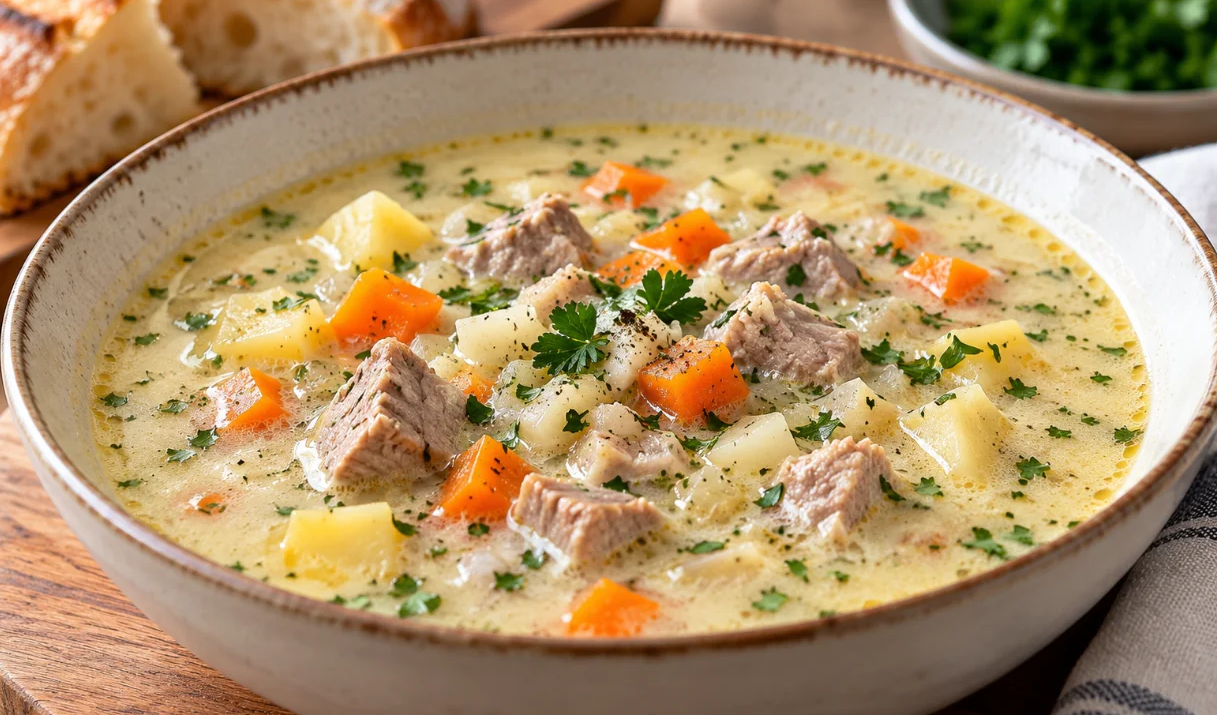
Teleća Bijela Čorba Recipe – Bosnian Creamy Veal Soup
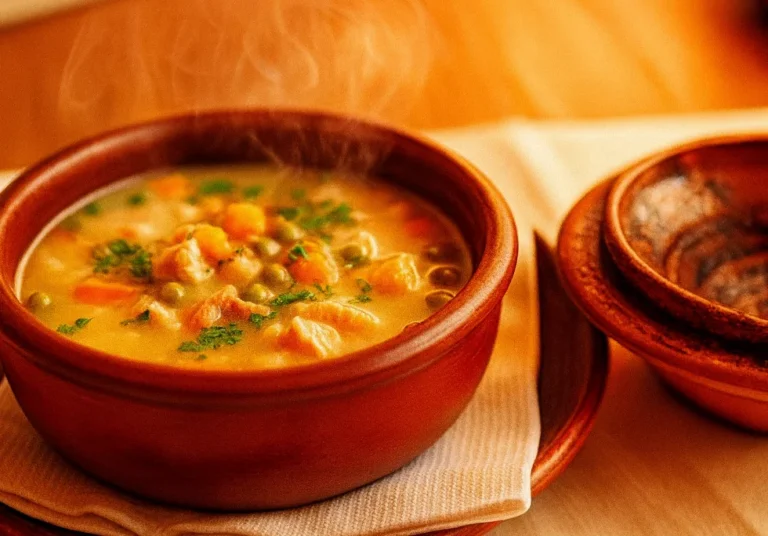
Teleća bijela čorba is a creamy Bosnian veal soup with tender pieces of shoulder, small-cut root vegetables, and potatoes. Its pale broth gets a little body from flour, then a smooth finish from cultured cream and an egg yolk. It should still flow easily from a spoon, with the meat and vegetables clearly visible.
This version keeps parsley root and celery root alongside the carrots and onion; neither is interchangeable with an arbitrary soup-vegetable mix. The original dairy is Schmand at about 20% milkfat. For American kitchens, the recipe defines an equal-weight adaptation using plain, full-fat cultured sour cream, with the difference explained below.
Plan for a gentle simmer and a thermometer-controlled finish rather than a fast boil. The veal needs time to become tender, and the cream-and-yolk liaison needs gradual tempering. The estimated total includes a pause to lower the base temperature before enrichment, making the last stage easier to control.
Teleća Bijela Čorba (Bosnian Creamy Veal Soup)
Ingredients
- 1.32 lb veal shoulder trimmed, boneless weight; cut into ¾-inch (2 cm) pieces
- 20 g unsalted butter weigh this small amount in either system
- 4.23 oz onion prepared weight; finely diced
- 6.35 oz carrots peeled weight; finely diced
- 2.82 oz parsley root peeled weight; finely diced; not parsnip or parsley leaves
- 3.53 oz celery root (celeriac) peeled weight; finely diced
- 5 g garlic peeled, finely minced; weigh in either system
- 3 1/3 tbsp all-purpose flour spooned and leveled; original uses German Type 405
- 6 3/4 cups hot water measured soup water; not salted stock
- 1 bay leaf remove before finishing
- 1 1/3 tsp fine table salt initial seasoning; keep separate from finishing salt
- 1.5 g freshly ground black pepper weigh for the defined formula; grind density varies
- 6.35 oz potatoes peeled weight; cut into ⅝-inch (1½ cm) pieces
- 5.29 oz full-fat cultured sour cream plain and unflavored; US adaptation, about 18% milkfat or higher; original is 150 g Schmand at about 20% milkfat; no light or fat-free product
- 1 large egg yolk each about 17 g, without egg white; weigh in Metric
- 2/3 tsp fine table salt finishing salt; separate from initial seasoning
- 15 g fresh lemon juice weigh in either system; add after incorporating the liaison
- 1/4 cup flat-leaf parsley finely chopped; weight is more reliable than volume
Equipment
- Kitchen scale for prepared meat, root vegetables, dairy, and small seasonings
- Cutting boards and chef’s knife separate raw-meat preparation from ready-to-eat foods
- Heavy soup pot at least 4 quarts (about 4 L) for 1x; use a larger pot or separate pots at 2x/3x
- Wooden spoon stir along the bottom to prevent flour sticking
- Heatproof bowl and whisk for tempering the cream-and-yolk liaison
- Ladle add hot soup gradually to the liaison
- Food thermometer required for the finished egg mixture and safe reheating
- Shallow storage containers for prompt cooling and refrigeration
Method
- Prepare the ingredients. Trim the veal shoulder and cut into even ¾-inch (2 cm) pieces. Finely dice the onion; cut carrots, parsley root, and celery root into roughly ¼–⅓-inch (7–8 mm) dice. Mince the garlic. Peel the potatoes and cut into about ⅝-inch (1½ cm) pieces; hold in cold water until needed, then drain. Keep raw meat and egg handling separate from ready-to-eat ingredients.
- Soften the vegetables. Melt the butter in a heavy soup pot over medium heat. Add onion, carrots, parsley root, and celery root. Cook, stirring regularly, for about 6 minutes, without deep browning.
- Add the veal. Stir in the veal and garlic and cook for about 4–5 minutes, until the meat’s raw-looking surface changes color. Do not build a dark crust. This surface change does not mean the meat is fully cooked.
- Cook the flour lightly. Sprinkle the flour evenly over the meat and vegetables and stir for about 1 minute. Keep it pale; do not brown it.
- Add the water and seasoning. Gradually stir in a small part of the measured hot water until the flour is smoothly dispersed, then add the remainder. Add the bay leaf, the initial-seasoning salt, and black pepper.
- Simmer gently. Bring slowly to a gentle simmer, skim any foam, and reduce the heat. Cook with the lid slightly ajar for about 45 minutes, stirring occasionally. Avoid a hard boil or excessive evaporation.
- Cook the potatoes. Add the drained potatoes and simmer another 20–25 minutes, until the veal is tender and the potatoes are fully cooked. Remove the bay leaf. Pull the pot off the burner. Before adding the egg-and-cream mixture, let the base cool off heat to about 165–167°F (74–75°C), stirring and checking with a thermometer. The cooling time varies; keep the soup off direct heat during this adjustment.
- Temper the liaison. Whisk the full-fat cultured sour cream and egg yolk smooth in a heatproof bowl. Slowly whisk in a small ladleful of hot soup, then add more in small portions while whisking continuously, until the mixture is warm and fluid. The Notes give approximate tempering-soup volumes for each batch size; this liquid comes from the pot, not additional water.
- Incorporate the liaison. With the soup pot off direct heat, pour the tempered mixture back in gradually, stirring constantly. Do not pour the cold egg-and-cream mixture straight into boiling soup.
- Heat under thermometer control. Return to very low heat only as needed. Stir and check several places until the completed egg-containing soup reaches 162–167°F (72–75°C), at least 160°F (71°C) throughout. If already in range, keep it off the heat. Do not let it boil vigorously; do not judge egg safety by steam or appearance alone.
- Finish the seasoning. Stir in the separate finishing salt, measured lemon juice, and finely chopped flat-leaf parsley. The broth should be creamy and lightly coat a spoon while remaining fluid, with distinct meat and vegetable pieces.
- Rest and serve. Remove from heat and let stand for about 5 minutes, then serve hot. Refrigerate leftovers promptly in shallow containers as described in the Notes; avoid leaving the full pot out to cool for hours.
Nutrition
Notes
What makes this a white veal čorba?
Here, “white” describes the light, creamy broth: the vegetables soften without deep browning, the flour stays pale, and the finishing liaison enriches the soup. Lemon juice adds a measured fresh note at the end. There is no paprika, tomato, or okra in this particular formula.
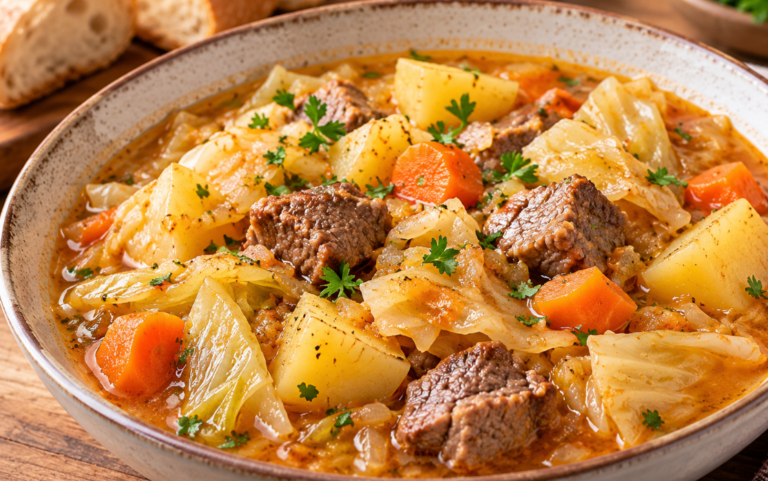
Our Begova čorba uses chicken and okra, while this recipe is built around veal, root vegetables, and cultured cream with yolk. These are distinctions between the recipes presented here; household versions can differ. For a heartier Bosnian meal, kalja pairs beef with large pieces of fresh cabbage in a substantial stew.
Buying veal, root vegetables, and cultured cream in the US
Ask a butcher for boneless veal shoulder and weigh it after trimming. The small, even pieces suit a gentle simmer; replacing the cut with beef or chicken would change both the recipe and its cooking behavior. Keep raw meat separate from the finished soup ingredients and wash hands, boards, and tools after handling it.
Parsley root is the edible root of root parsley, sometimes sold as Hamburg parsley. It is distinct from parsnip and from the leafy parsley used to finish the soup. Look for it at a well-stocked produce market or European grocery. Celery root, also labeled celeriac, is the knobby root vegetable; celery stalks are not the defined ingredient here. Peel and weigh the roots before cutting them into small, even dice.
Schmand is the original cultured cream, at approximately 20% milkfat. The practical US adaptation is plain, unflavored, full-fat cultured sour cream, using the same mass. Regular American cultured sour cream has a minimum 18% milkfat standard, but a package may not state the exact percentage. Check the label; reduced-fat and fat-free products are not direct replacements. Differences in fat and stabilizers can affect texture and heat stability. This adaptation has not been separately kitchen-tested.
Build a pale base and let the veal become tender
Soften the onion, carrots, parsley root, and celeriac gently in butter. Browning them deeply would change the pale character of this soup. The short cooking stage after adding veal changes its raw surface appearance; it does not mean the meat is ready to eat. The subsequent simmer develops tenderness.
Stir the flour through the moist ingredients and cook it briefly without browning. Add a little of the measured hot water gradually to loosen the flour smoothly, then incorporate the rest. Use water rather than salted stock so the two measured salt additions retain their intended balance.
Keep the simmer quiet, with the lid slightly ajar, and add the potatoes later so they do not disintegrate during the veal’s first cooking stage. Check both components before finishing: the meat should yield easily and the potato centers should be fully tender. A larger batch may take longer to heat, but the simmering intervals do not automatically double or triple.
Temper the liaison with a thermometer
Before adding the egg-and-cream mixture, remove the bay leaf and take the pot off direct heat. Let the base fall toward 165–167°F (74–75°C), stirring and checking with a food thermometer. A recently simmering pot can remain hot enough to curdle the liaison even after the burner is turned off. The recipe allows about 15 minutes for this adjustment, but the actual temperature determines when to continue.
Whisk the cream and yolk smooth in a heatproof bowl. Add hot soup slowly, beginning with a small ladleful and whisking constantly, until the mixture is warm and fluid. This liquid comes from the soup pot; it is not additional water. The recipe notes provide tempering volumes for each batch size.
Stir the tempered liaison into the pot gradually, still off direct heat. Use very low heat only if needed to bring the completed soup to 162–167°F (72–75°C), checking several spots and reaching at least 160°F (71°C) throughout for the egg-containing mixture. Do not let it boil vigorously. Stir in the finishing salt, lemon, and parsley, then allow the short final rest.
Keep the texture creamy and fluid
A little flour and the liaison should give the broth light body, rather than a thick sauce consistency. Maintain a gentle simmer to limit excess evaporation. Small lumps appearing immediately after adding water usually point to flour that was not loosened gradually; whisking the liquid around the solids can help disperse minor lumps before enrichment.
Graininess after the liaison is added can indicate excessive heat or an abrupt temperature change. Remove the pot from heat immediately and stir gently; a fully curdled finish may not become smooth again. Preventing that problem is more reliable than trying to repair it. Steam, color, and apparent smoothness do not replace the thermometer check.
Serving, preparing ahead, and safe storage
Serve hot with a modest piece of pogača if you would like bread alongside. For another Bosnian soup with a different texture and tomato base, try Bosnian tarhana soup on a separate occasion.
For the best make-ahead result, stop after the meat and potatoes are tender, before adding the liaison, lemon, or fresh parsley. Divide the base into shallow containers and refrigerate promptly. Reheat the unenriched base thoroughly to at least 165°F (74°C), bringing it to a boil, then lower its temperature as directed and prepare a fresh liaison. Freezing the base before enrichment is preferable to freezing the finished soup; potatoes may soften further after thawing. Thaw in the refrigerator.
Refrigerate leftovers within 2 hours, or within 1 hour when the surrounding temperature is above 90°F (32°C). Do not leave a full pot on the counter for hours to cool. Keep at 40°F (4°C) or below and use within 2 days. Reheat only the portion needed, stirring until it reaches 165°F (74°C) throughout. The enriched soup can split during reheating, especially if boiled vigorously; meet the safe temperature even if the texture suffers.
Why are some US ingredient amounts still in grams?
Weighing small amounts of butter, garlic, pepper, and lemon juice avoids awkward or density-dependent spoon measures. US Customary is the initial display, while Metric preserves the original formula. The yolk is a count under US measures and a weight under Metric; the recipe notes explain the corresponding batch sizes. Nutrition is an estimate per one-sixth of the recipe, with ingredient-match limitations disclosed in the card.